Wind turbines have killed about 18.7 million US bats since 1981, USGS-led study estimates
- A USGS-led study in PNAS estimates that wind turbines in the lower 48 US states killed about 18.7 million bats of ten species between 1981 and 2024.
- Deaths rose from about 100,000 a year two decades ago to more than 1.5 million a year from 2021, and the authors say the toll may rival white-nose syndrome.
- The figure is a model estimate, not a body count. Turbine design, where farms are built and slowing blades on calm nights can all help.
For years, the bats found dead under US wind turbines were counted one wind farm at a time, in reports few people read. Now scientists have added them up. A study led by the US Geological Survey (USGS), published in PNAS on 26 October 2026, estimates that turbines in the lower 48 states killed about 18.7 million bats between 1981 and 2024.
It shows that wind turbines killing bats is a national problem, not a scattered local one. It lands as wind power grows worldwide and North America’s bats still recover from a deadly disease. The good news: the same study points to ways to bring the number down.
18.7 million bats, and three species took most of the losses
The team, led by USGS scientist Charles Labuzzetta, pulled together 499 monitoring reports. USGS says they covered 277 wind facilities surveyed between 1996 and 2024. Each site used its own methods.
To join them up, the researchers built a statistical model that fills the gaps for farms and years nobody checked. So 18.7 million is an estimate, not a count of bodies. The authors call it the most complete analysis so far.
How many bats are killed by wind turbines each year? About 100,000 two decades ago, Science reports. From 2021 onward, USGS says, more than 1.5 million a year. That is over 4,000 bats a day, on average.
Of ten species studied, three carried most of the losses: about 6.7 million hoary bats, 5.8 million eastern red bats and 3.4 million silver-haired bats.
A toll that may rival white-nose syndrome
White-nose syndrome is a fungal disease that has killed millions of North American bats since 2006. The paper’s abstract says predicted turbine deaths “may be comparable to total losses from white-nose syndrome”.
The two threats mostly hit different species. The authors warn that this may mean the harms add up. What nobody can say yet is whether bat populations can absorb the losses; the authors call for new population studies.
There is a data problem, too. The reports are not standardised, and Science notes some are kept private because they hold business details. A national estimate is only as good as the reports behind it.
Why wind turbines killing bats depends on where they stand
Do wind turbines kill bats everywhere at the same rate? No, and that is the useful part. More deaths were linked to a larger rotor-swept area (the circle the blades cover), lower ground clearance, the type of land around a site and nearness to rivers. The authors say this points to fixes through turbine design and siting.
A third tool is proven elsewhere. Wind turbine bat curtailment means keeping blades still or slow at low wind speeds, when bats fly most. A 2024 review of a decade of North American studies, with USGS among its authors, found it consistently cut deaths. Holding blades until the wind reached 5 metres a second cut deaths by about 62% on average, though single farms varied widely.
What bats on a US wind farm mean for your food and your power
Bats eat huge numbers of crop pests. A 2011 study in Science, with USGS scientists among its authors, valued that pest control for US farms at roughly $3.7 billion to $53 billion a year.
This study covers only the US. But wind is growing in Europe, India and beyond, and power demand keeps rising, partly from AI, as Microsoft’s 20-year power deal for its Indiana AI campus shows. If a wind farm is planned near you, it is fair to ask whether bat surveys and low-wind curtailment are part of the permit.
Searching whether wind turbines kill birds and bats? This study counted bats only; birds are a separate question.
No single fix, but three that work together
There is no single fix. Better design, better siting and slower blades on calm nights each shrink the toll, and together they can do more.
The study deserves credit. It turns scattered reports into a national picture and is honest about its limits. Wind power also helps nature by cutting the emissions behind climate change, itself a threat to wildlife, as the IUCN’s warning on the world’s coral reefs showed this week.
The weak spots are real. The figure rests on a model and partly private reports, and deaths have risen as wind has grown.
On balance, this reads less like a case against wind power and more like an overdue bill for a hidden cost, one that better design, smarter siting and slower blades can shrink.
Watch whether wind companies and regulators share their monitoring data openly, and whether curtailment becomes the norm before next year’s late-summer migration.
Sources (6): every key fact checked against at least two
- PNAS: The scope and severity of bat fatalities at US wind energy facilities (Labuzzetta et al., 26 October 2026)
- USGS: Study outlines scope and severity of bat fatalities at US wind energy facilities (October 2026)
- Science: Wind turbines kill 'shocking' number of bats each year (October 2026)
- Phys.org: Scientists reveal the staggering number of bat deaths at wind turbines (October 2026)
- USGS Publications: A decade of curtailment studies demonstrates a consistent and effective strategy to reduce bat fatalities (2024)
- Boston University: Bats worth billions to agriculture, pest-control services at risk (2011)
Related stories
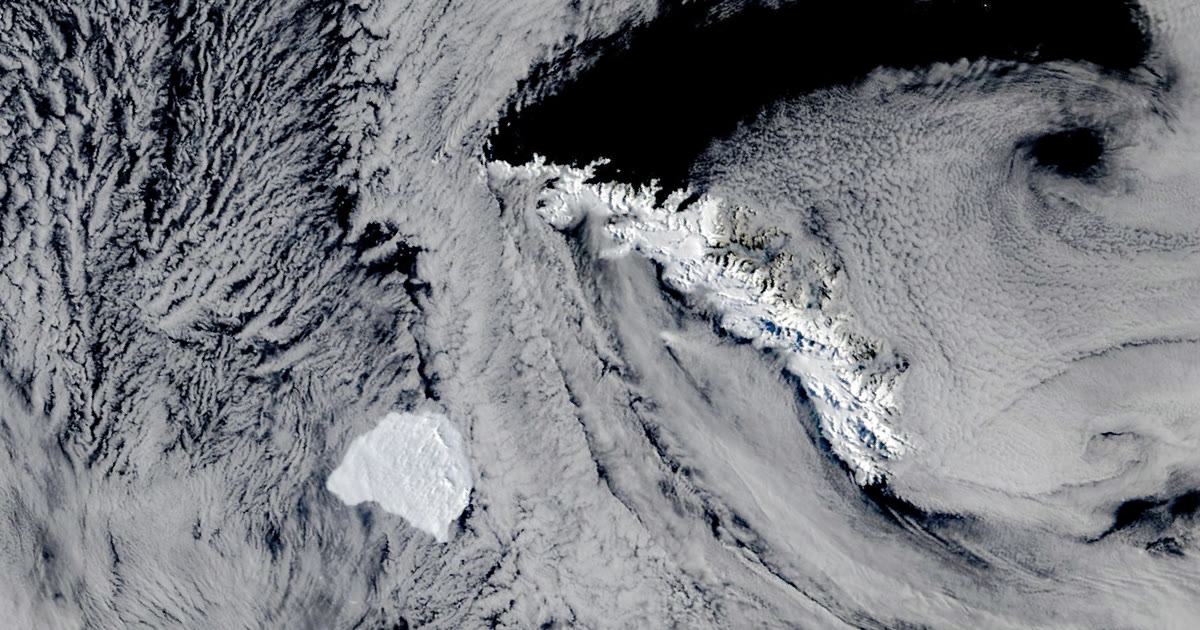
Iceberg A-81, a slab of Antarctic ice the size of a city, slows at the edge of South Georgia
A city-sized iceberg, A-81, has slowed off South Georgia after a 2,300 km drift. What satellites show, why sizes differ, and what is still unknown.

OpenAI says its AI disproved the Exponential Time Hypothesis, and two of the rule's authors will check it
Exponential Time Hypothesis: OpenAI says its AI proved the famous computing rule false. Experts, two of them its authors, are checking. What it means.

Almost all the world's shallow coral reefs face a high risk of collapse by 2075, IUCN finds
Coral reefs collapse risk: IUCN's first global check finds 96% of shallow reefs critically endangered by 2075. Why scientists still see a window to act.