Spotify Family plan QR code check: what the 7-day rule means for your family
- Spotify may ask some Premium Family members to scan a live QR code on the plan manager's phone, in person, to prove they share a home.
- Members get 7 days. Miss it, and they cannot join another Family or Duo plan for 12 months, Spotify's help page says.
- Co-CEO Alex Norström called it a routine improvement, not a crackdown. Spotify has not said which countries or how many members.
Picture a student who moved to another city for university, still on the family’s Spotify plan. One morning the app asks them to scan a code on their mother’s phone, in person, within seven days. That is now a real possibility. Spotify has started using a Spotify Family plan QR code check that asks some members to prove, face to face, that they live with the person who pays.
This matters because Family plans are one of the cheapest ways to get Premium, and many households stretch the word “family” to fit real life. Spotify does not appear to have announced the change publicly. The rule showed up on its help page, users on Reddit spotted the prompts early this week, and on 22 October the company confirmed it on its call with investors.
How the Spotify Family plan QR code check works
According to Spotify’s help page, the company “may ask some Premium Family members” to verify that they live with the plan manager. The steps are simple:
- The plan manager opens the code in the Spotify app (profile picture, then Your Premium, then Manage).
- The member scans it with their own phone camera.
- Both people must be in the same place. The code changes every few seconds, so a saved screenshot is of little use.
- It only works in the mobile app, and both phones need the latest version.
Members have seven days after the notification. If they miss the window or cannot complete the check, the page says they “can’t join a different Family or Duo plan for 12 months”. They can still buy another plan, such as an Individual one.
The QR code sits on top of Spotify’s older address verification. That check asks members to type in their home address at sign-up, again after the manager moves house, and whenever Spotify cannot match it. A member who fails that check loses the plan and moves to the free version, though they may rejoin the same Family or Duo plan. The QR section does not spell out what happens to the current plan, a gap that reporters at Music Business Worldwide also noticed.
A “routine improvement”, says Spotify
On the third-quarter call, an investor asked about the change. Co-chief executive Alex Norström said it was “not as much a crackdown as it is actually a routine improvement of our verification methods”, according to 9to5Google’s report of the call. TechCrunch reported the same “routine improvement” remark. He said the Family plan has existed for about 12 or 13 years and makes up “a pretty significant proportion” of subscribers. People find “holes” over time, he added, and Spotify keeps closing them. There is no end date.
The same day, Spotify reported 306 million Premium subscribers and 788 million monthly users. Spotify has not said which countries get the QR prompts, how members are picked, or how many have been asked. The help page reads the same in its US, UK and Indian versions.
If your family does not live under one roof
Families are messy, and the rule is strict. Children of separated parents may split their weeks between two homes. A grandparent may live across town with a carer. Students and people who work abroad may be away for months. For them, seven days may not be enough time to stand next to the plan manager.
If a prompt arrives, act early. Update both phones, check that the date and time are correct on each, and plan a meeting within the week. Spotify’s page also says plainly: “We don’t track your location.” The address check uses the address you enter. If meeting in person is not possible, a separate plan avoids the 12-month bar.
Fair rules, but room for real families
On balance, Spotify has a fair point. A Family plan is priced for one household, and friends splitting it across cities pay less than the rules allow. Netflix took a similar line in 2023, when it said an account is meant for one household and began asking people who live elsewhere to pay their own way. It also asks little of people who do live together: one scan, a few seconds.
The harder part is everyone else. A 12-month bar is a heavy penalty for a missed notification, and the rules do not yet speak to shared custody, relatives in care or students. In practice, checks like this work best with a clear appeal route, and the help page does not describe one.
The likelier outcome is that most households scan once and forget about it. The test is how Spotify treats the families that cannot, and whether it adds a fair way to explain why.
Prefer to watch? Follow us on YouTube
The tech stories that matter, explained in plain words. Subscribe so you never miss one.
Sources (7): every key fact checked against at least two
- Spotify Support: Address and verification for Family plan
- Spotify Newsroom: Spotify Reports Third Quarter 2026 Earnings
- TechCrunch: Spotify confirms Family Plan crackdown, but calls it a 'routine improvement'
- 9to5Google: Spotify confirms it won't stop Family Plan sharing verification
- 9to5Google: Spotify 'QR code verification' cracks down on family sharing
- Netflix: An Update on Sharing (February 2023)
- Music Business Worldwide: Spotify cracks down on Family plan sharing
Related stories
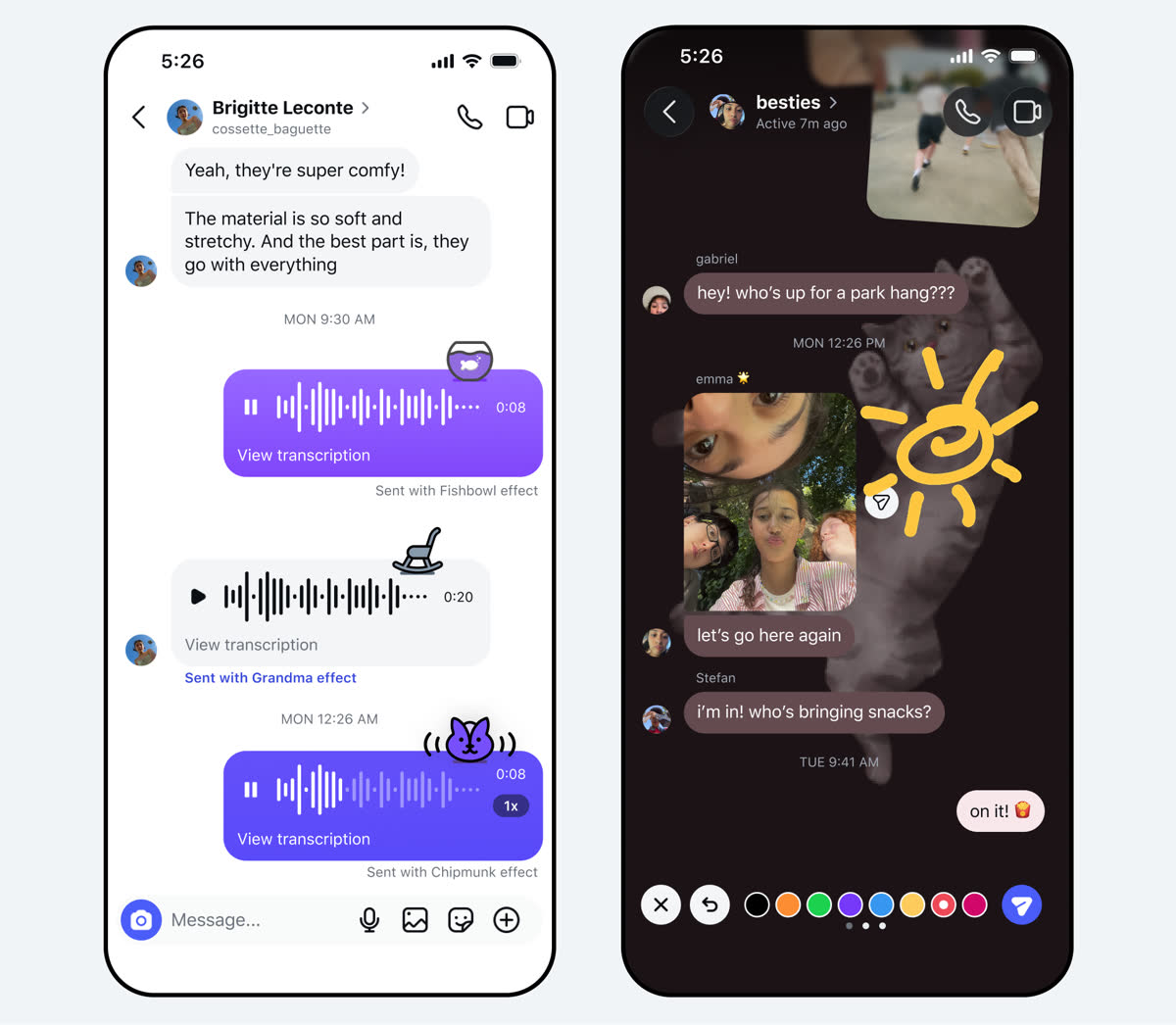
Instagram's new Direct app lets you chat without an Instagram account
The Instagram Direct app is a new Meta messaging app, now in test in Türkiye and Thailand. It works with or without Instagram. What it does.

Meta says it tuned Instagram's India recommendations to keep out more suggestive and violent posts
Meta changed Instagram recommendations in India. Here is how the Instagram sensitive content control works, and what Meta has not said.
Thousands of Lovable-built apps left personal data readable without a login, researchers find
Lovable data exposure: researchers found thousands of AI-built apps sending records without a login. The facts, the limits and what to do.