Meta's Muse app can now talk back, with a cartoon face that reacts as you speak
- Meta is rolling out live voice conversations and animated avatars in its Muse app, starting in the US, on phones, the web and Mac.
- You can pick from hundreds of voices, interrupt mid-answer, and choose voice only, an avatar beside the chat, or a full-screen face.
- Meta didn't mention a price, dates for other countries, age limits or how voice recordings are kept: the questions worth asking first.
- US firstWhere voice is rolling out nowno dates for other countries
- 3Places it worksphone, web and Mac
- 3Ways to see your Musevoice only, beside chat, full screen
- 2Devices coming nextAI Glasses and Muse Charm
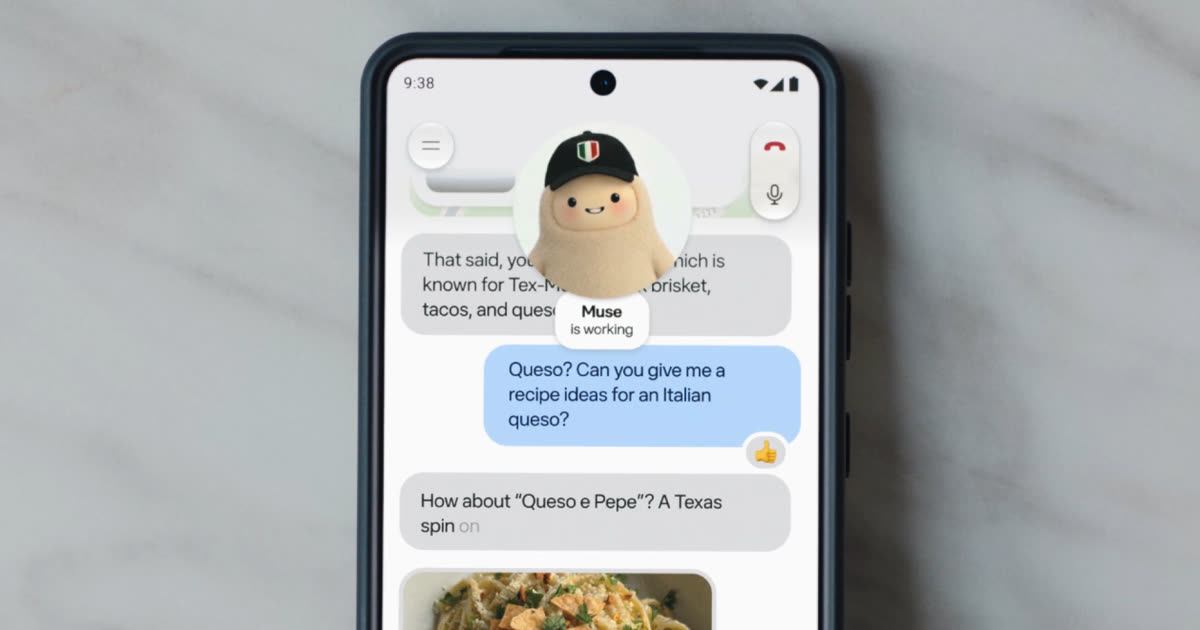
Picture someone rehearsing for a job interview late at night. They speak their answer out loud, a small animated face nods along, and when the reply runs long they simply cut in. That is the experience Meta is now offering to people in the US who use its Muse app.
On 5 November, Meta announced that Meta Muse voice mode and expressive avatars are rolling out now, starting in the US. You tap the phone icon at the top right of a chat, and the conversation becomes a live, spoken one, on a phone, on the web or on a Mac.
Speaking is the most natural way most of us communicate, and for many people it is easier than typing. A voice and a face change how an AI feels: less like a search box, more like company. That brings real benefits, and some questions Meta has not answered yet.
How Muse’s new voice and face work
Muse is Meta’s AI agent and family of models, the same Muse behind its closer work with Nvidia. With this update, Meta says the avatar reacts while you talk and replies with “subtle expressions and gestures”. You decide how much of it you see: voice only, the avatar beside the chat, or the avatar full screen.
There are “hundreds of voices” to choose from, Meta says, from a New Yorker to a pirate, and you can change at any time. The Verge reports you can browse the list or simply ask Muse to switch. Meta says the feature runs on its own Muse Realtime Voice and Muse Realtime Avatar technology, and that you can interrupt mid-answer, as you would with a person.
Meta also says Muse keeps working “in the background” on tasks while you talk, such as planning a trip or practising for an interview. Meta first showed real-time conversations at its Connect event in September. Next, it says, voice comes “soon” to its AI Glasses and to the Muse Charm device, which The Verge and TechCrunch report is due before the end of the year.
A friendly face, and the details Meta left out
Early hands-on reports are mixed but fair. The Verge, testing on an iPhone, found replies quick, with occasional pauses while Muse looked things up. Its reviewer called one avatar, styled on Mark Zuckerberg, “quite weird”. TechCrunch reports the default avatar is nicknamed “Jolly”, and that Meta believes a face helps people feel more connected.
What the announcement does not say matters just as much. Meta didn’t mention a price, dates for other countries, age limits, or how voice recordings are stored. For a feature built to listen to your voice and respond as you speak, those are not small details. In our reading, this is a common pattern: big launches lead with the experience, and the rules follow later in help pages.
If you want to try Meta Muse voice mode this week
In the US, open the Muse app and tap the phone icon. If a moving face distracts you, start with voice only; you can add the avatar later. Outside the US there is no date yet; Meta’s own newsroom and the Muse app itself are the places to watch for one.
Before sharing anything personal out loud, check the app’s privacy settings and Meta’s privacy policy for how voice chats are kept. Parents should check what their teenager’s account can reach, because the announcement says nothing about age limits for this feature.
Why a voice helps, and why a face asks more of Meta
The good here is real. Speaking is faster than typing for many people, and for those with low vision, limited hand movement or less confidence in writing, a spoken assistant can open doors. Being able to interrupt, and to let Muse work on a task in the background, makes it feel useful rather than slow.
The harder questions grow with the realism. A friendly face can make people forget they are talking to software, and may draw some, especially younger users, into a closer bond than they intended. Voice is also personal data. On balance, this is a meaningful step towards easier AI, but trust will depend on Meta explaining, in plain words, what happens to your voice and who the feature is for.
The bigger test comes when Muse moves from the phone onto Meta’s glasses and the Charm. A voice you open on a screen is one thing; a voice that is always with you will need even clearer answers.
Prefer to watch? Follow us on YouTube
The tech stories that matter, explained in plain words. Subscribe so you never miss one.
Quick answers
Does Meta Muse have voice?
Yes. Since 5 November 2026, Meta has been rolling out live voice conversations and animated avatars in the Muse app, starting in the US.
How do I start Meta Muse voice mode?
Open a chat in the Muse app and tap the phone icon at the top right. You can then talk, interrupt, and switch voices whenever you like.
Does the Muse app work on Mac?
Yes. Meta says voice conversations work in the Muse app on mobile, on the web and on Mac.
Is Muse voice mode available outside the US, for example in India?
Not yet. Meta says it is starting in the US and has not given dates for other countries.
How much does Muse voice mode cost?
Meta's announcement didn't mention a price, so check the app before you rely on it.
Words to know
- AI agent
- An AI assistant that can carry out tasks for you, such as planning a trip, not only answer questions.
- Avatar
- A cartoon-style character that stands in for the AI on screen and moves as it talks.
- Real-time voice
- Talking with the AI out loud, like a phone call, instead of typing and waiting for text.
Sources (4): every key fact checked against at least two
Related stories

Airbnb is building its own AI travel agent, and says a chatbot is the wrong way to plan a trip
The Airbnb AI travel agent starts rolling out in the first half of 2027. What it will do, why Airbnb skips the chatbot, and what is still unknown.

Google turns AI off by default for students, but schools that say no to all of it lose Search
Google AI in schools is now off by default for students, but a school that blocks all AI loses Google Search too. What changes, and what to ask.

Judge lets the NAACP's clean-air case over xAI's Mississippi turbines go ahead
xAI NAACP lawsuit: a US judge refused to dismiss the clean-air case over gas turbines at xAI's Southaven site. No wrongdoing found yet. What comes next.