Apple's first touchscreen Mac is an OLED MacBook Pro, and it starts at US$2,899
- Apple unveiled the MacBook Pro with PROLED XDR Display on 28 October: 14- and 16-inch laptops with a tandem OLED screen and, for the first time on a Mac, touch.
- They run the M5 Pro and M5 Max chips, start at US$2,899, and arrive from 6 November (9 November in India); pre-orders are open in 30 countries and regions.
- The non-touch MacBook Pro models stay on sale, so buyers now choose between a newer chip and a new screen.
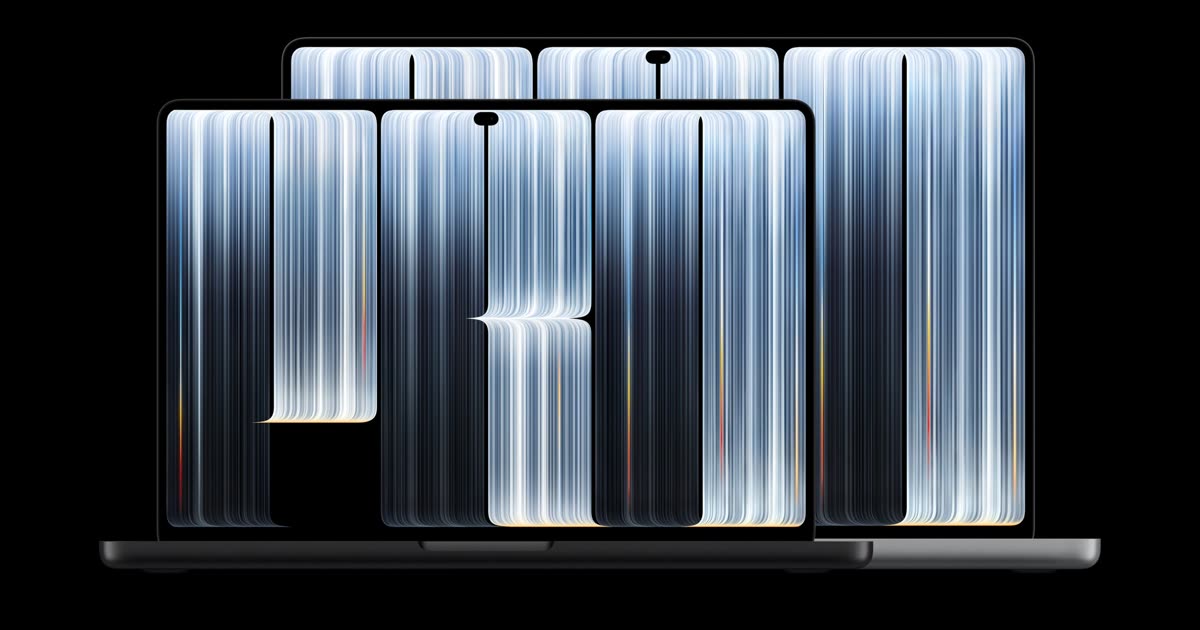
For more than 15 years, Mac owners have watched people tap and swipe on Windows laptops while their own screens stayed look-only. That changed on 28 October. At its “Pro and Tell” event, Apple unveiled the MacBook Pro OLED, officially the MacBook Pro with PROLED XDR Display, and it is the first Mac you can touch.
It is also expensive. The 14-inch model starts at US$2,899, which Engadget calls the highest launch price it has seen for a MacBook Pro. That is US$900 more than the M6 MacBook Pro Apple announced a day earlier. So the real story is less about touch itself and more about who this machine is for.
What the PROLED XDR display and touch add
Apple’s PROLED XDR display uses tandem OLED, two layers of pixels that make their own light, so there is no backlight to glow around bright objects.
These are Apple’s own numbers.
- Up to 2,000 nits of peak brightness, a 10,000,000:1 contrast ratio, and a refresh rate from 10Hz to 120Hz.
- Colour coverage for both P3 and Adobe RGB, the colour standards used in video and print work.
- Slightly larger screens (14.2 and 16.3 inches), and lighter bodies: 3 pounds for the 14-inch (half a pound less) and 4 pounds for the 16-inch (0.7 pounds less).
- The Dynamic Island, the pill-shaped area from the iPhone, now on the Mac as a home for search, live updates and Siri.
- Up to 24 hours of battery life, which Apple says depends on use.
The touch sensor sits inside the display panel. macOS turns touches into clicks, so many apps work with touch from day one. Apple names Notion, Canva, Zoom, Microsoft Word, Excel and PowerPoint, plus Blender and DaVinci Resolve. Johny Srouji, Apple’s chief hardware officer, called it “a monumental step forward for the Mac”.
Why the new screen comes with an older chip
These laptops use the M5 Pro and M5 Max chips from Apple’s previous generation, not the new M6. They are higher-end chips than the standard M6, so this is not simply slower. The non-touch MacBook Pro models stay on sale alongside them, MacRumors reports. In practice, Mac buyers now have to choose between the newest chip and the newest screen.
Two questions stay open. The first is how many apps will be truly designed for touch, rather than treating a finger as a mouse click. The second is long-term wear. OLED pixels can age unevenly over years. Apple says its display engine tracks how much each pixel is used to keep the picture consistent, but only time and independent testing will show how well that works.
MacBook Pro OLED price and release date
Pre-orders opened on 28 October in 30 countries and regions. Deliveries start on Friday, 6 November, and on Monday, 9 November in India. These are the official starting prices for the M5 Pro models. We checked them on 28 Oct 2026.
| Model | US | UK | India | UAE |
|---|---|---|---|---|
| 14-inch (M5 Pro) | $2,899 | £2,899 | ₹3,49,900 | AED 11,999 |
| 16-inch (M5 Pro) | $3,399 | £3,399 | ₹4,09,900 | AED 14,499 |
M5 Max versions start at US$4,499 (14-inch) and US$4,799 (16-inch). US students and teachers pay less, from $2,749.
If you are choosing between this and the M6 model
This touchscreen MacBook Pro is built for people whose work lives on the screen: photo and video editors, colourists, designers, musicians, and developers who want to test iPhone and iPad apps by touch. For them, an accurate, bright screen they can carry is a real tool, not a luxury.
For most other people, the M6 model at US$1,999, or a MacBook Air, is likely to be more than enough for daily work. If your current Mac works well, nothing here forces a change.
A fine screen that asks a high price for patience
On balance, Apple has done what it often does: arrived late, but with care. Building touch into the panel, keeping the trackpad and keyboard, and making existing apps work on day one is a sensible way to add touch without breaking the Mac.
The weaker side is value. Paying a large premium for an older chip generation can feel backwards, even if that chip is a higher-end one. In our analysis, this touch screen MacBook Pro is a strong choice for creative professionals who need its display now, and an easy one for everyone else to wait on.
What to watch before 6 November
Independent reviews should arrive close to launch day. Look for two things: how touch feels in apps not built for it, and how the OLED screen copes with long editing sessions. Premium laptops are getting dearer across the industry, as Nvidia’s RTX Spark laptops showed. The next version will show whether Apple sees touch as a niche for pros or the future of every Mac.
Sources (6): every key fact checked against at least two
- Apple Newsroom: Apple unveils groundbreaking MacBook Pro with PROLED XDR Display (28 Oct 2026)
- Apple Newsroom UK: MacBook Pro with PROLED XDR Display (UK prices)
- Apple Newsroom India: MacBook Pro with PROLED XDR Display (India prices and date)
- Apple Newsroom UAE: MacBook Pro with PROLED XDR Display (UAE prices)
- Engadget: Apple's redesigned MacBook Pro has an OLED touchscreen, weighs just three pounds (28 Oct 2026)
- MacRumors: Apple announces new MacBook Pro (28 Oct 2026)
Related stories
Apple's M6 MacBook Pro and iMac arrive at last year's prices, with older Macs in their sights
Apple's M6 MacBook Pro and new iMac: official prices, the 6 November release date, what M6 adds over M5 and M4, and who should upgrade.
iPhone Duo screen cracks: iFixit's teardown points to the hinge, but Apple hasn't explained why
Some iPhone Duo owners see a screen crack at the fold days after buying. What iFixit's teardown found, what it costs to fix, and what to do now.

iPhone Duo goes on sale: few phones in stores, January waits online, careful praise
iPhone Duo availability on launch day: very few walk-in phones, pickup-only countries, January online waits, review verdicts and repair costs.