Google turns AI off by default for students, but schools that say no to all of it lose Search
- Google's AI tools, including Gemini and Google Search, will be off for school student accounts until a school administrator turns them on.
- But Google says Search and AI are deeply integrated, so a school that wants no AI at all also loses Google Search for its students.
- Google also launched Guided Learning in Classroom worldwide, an AI tutor that walks students through problems instead of giving answers.
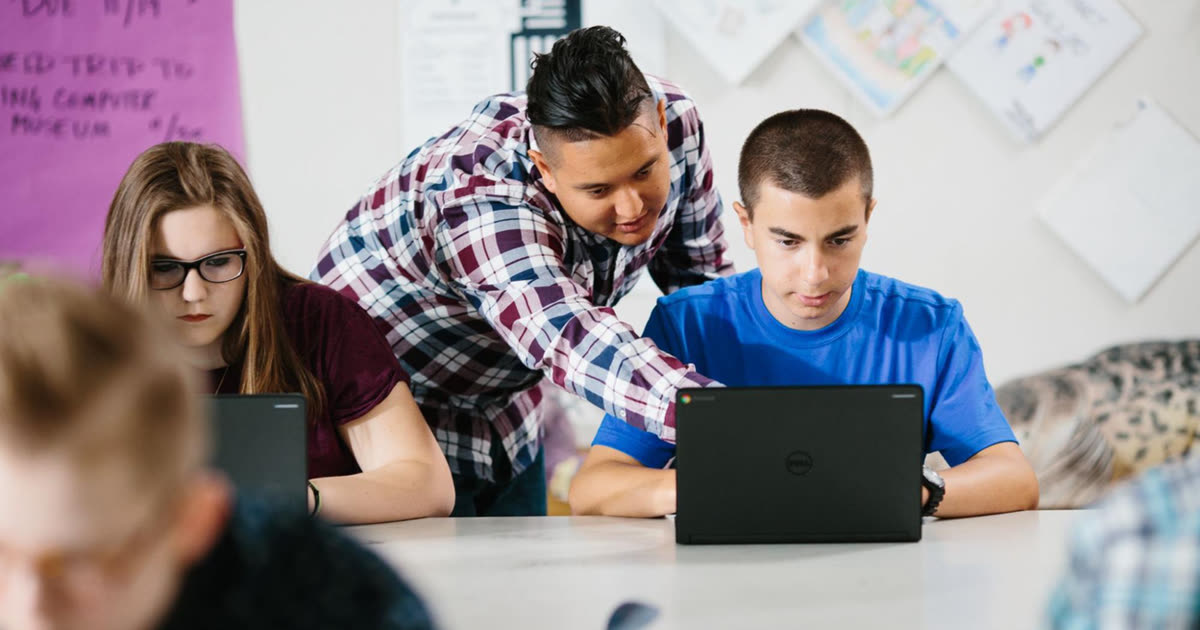
Picture a teacher who would rather keep chatbots out of her classroom. Until now, that could mean chasing settings Google had already switched on. From now on, Google says, its AI tools stay off for students until the school says yes. The catch: say no to all of it, and Google Search goes too.
On 3 November, Google said it is “updating our approach” to Google AI in schools after listening to schools, teachers, researchers and policymakers. K-12 student accounts cover kindergarten to the end of secondary school. For them, Gemini, Gemini Notebook, Gemini in Classroom and Google Search will be “entirely off” until a school administrator turns them on.
Who decides what AI a child uses at school, the company or the school? Google’s answer is now the school. But the price of saying “none at all” is high.
What “off by default” covers for school accounts
The rule covers every K-12 student account, not one country. Google says the changes will roll out “in the coming months”, and that it will share the details with schools first. The New York Times reports the new controls are planned for early 2027.
Administrators do not have to accept everything at once. Google told Engadget that schools can turn on each product on its own and that “it is not all-or-nothing”.
Google also launched Guided Learning in Google Classroom worldwide the same day. Teachers assign it as a one-to-one study tool built on the class’s own material. It walks students through a problem instead of handing out answers, and teachers see in real time where the class needs help. Engadget reports that teachers can also read transcripts of students’ chats with the tool.
A version for Search is coming too. For some homework requests, such as a physics problem or a book report, Search will guide students step by step instead of giving the final answer. A pilot starts in select US schools later in November, with more districts “in the coming months”.
Why saying no to Google AI in schools also switches off Search
The catch is not in Google’s blog post. Chris Phillips, Google’s vice president and general manager for education, told The New York Times that “Search and AI are deeply integrated”. If a school restricts AI altogether, students “will not have access to search” and will see a message from their school instead. TechCrunch, Ars Technica and Engadget report the same.
Reports differ on how much choice that leaves. Ars Technica describes it as all or none; Engadget says Google told it products can be turned on one by one. Read together: schools can pick product by product, but Google counts Search as one of its AI products. So a school that wants no AI at all loses Search.
In August, Google turned on some AI features in Classroom by default, then reversed course after educators pushed back, according to The New York Times. The new default looks like a lesson learned. It is a welcome contrast with Gmail’s AI Inbox, which reached US Workspace accounts with no admin off switch.
If your child’s school uses Google Classroom
Parents can ask the school one plain question: which Google Classroom AI features are on for student accounts, and does my child still have Search? Teachers can ask their administrator the same. The rule applies to school accounts everywhere, though the Search pilot is US-only for now.
Whatever a school turns on, from Gemini for students to Guided Learning, Google says its generative AI products can make mistakes. Checking the work still matters. Students are already rethinking what to study, as the fall in computer science enrollment shows; how they learn with AI is now part of that.
A better default, with a hard trade-off attached
On the pros and cons of AI in schools, there is real good here. Off by default puts the decision with the people closest to the child. Guided Learning is built to teach, not to do the homework, and teachers can see how it is used.
The harder part is that “off” is not quite off if it costs a school its search engine. In practice, few schools can give up Search, so many may feel nudged to say yes. Other search tools let people switch off AI features, Ars Technica notes, which suggests a plain school Search without AI is possible. On balance, this is a meaningful step in the right direction, but the choice is less free than it sounds.
The next thing to watch is what Google tells schools when the details arrive, and whether a simple, AI-free Search for students is part of it.
Sources (5): every key fact checked against at least two
- Google blog: Designing responsible AI for learning (Chris Phillips, 3 Nov 2026)
- TechCrunch: Google will let schools disable its AI tools, but not without sacrificing Search (3 Nov 2026)
- Engadget: Google says students in schools that ban AI won't have access to Search (3 Nov 2026)
- Ars Technica: Google will let schools skip AI tools, but they have to give up Search too (3 Nov 2026)
- The New York Times: Google search and schools that restrict AI (3 Nov 2026, paywalled)
Related stories
Judge lets the NAACP's clean-air case over xAI's Mississippi turbines go ahead
xAI NAACP lawsuit: a US judge refused to dismiss the clean-air case over gas turbines at xAI's Southaven site. No wrongdoing found yet. What comes next.
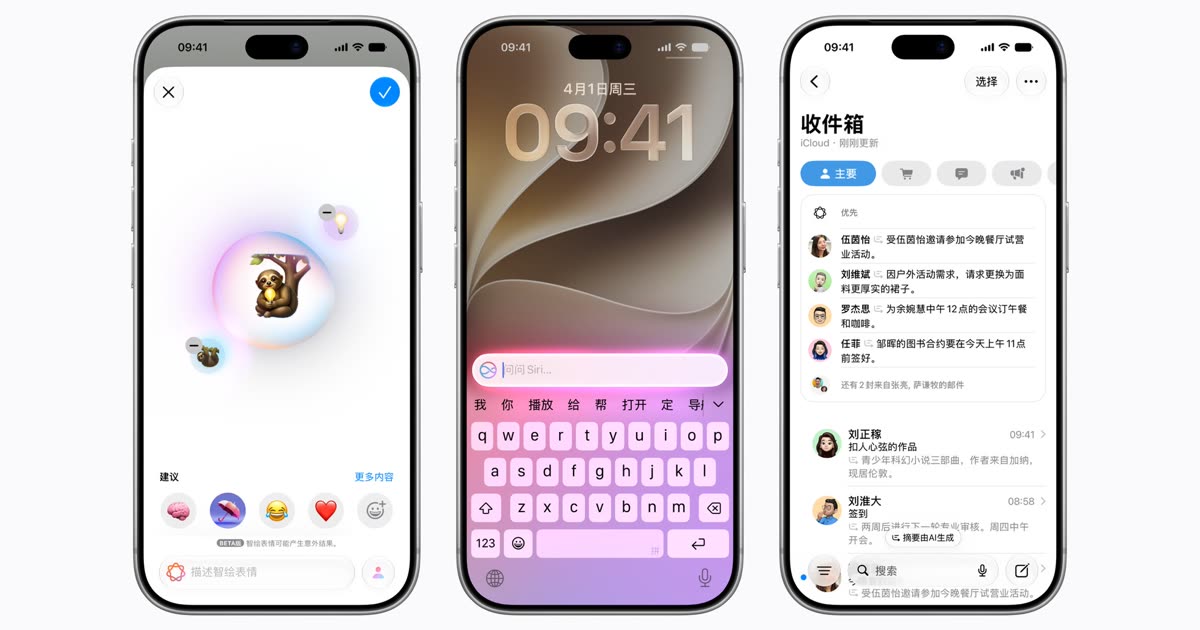
Apple Intelligence finally comes to China, with Alibaba's Qwen inside Siri
Apple Intelligence in China arrives with iOS 27.3 in December, with Alibaba's Qwen in Siri. Release date, iPhones that qualify, and what is left out.
Google's Project Suncatcher satellite sends its first AI answer from orbit: a haiku
Google's Project Suncatcher test satellite ran its first AI prompt in orbit and sent back a haiku. Radiation tests come next, then two satellites in 2027.